
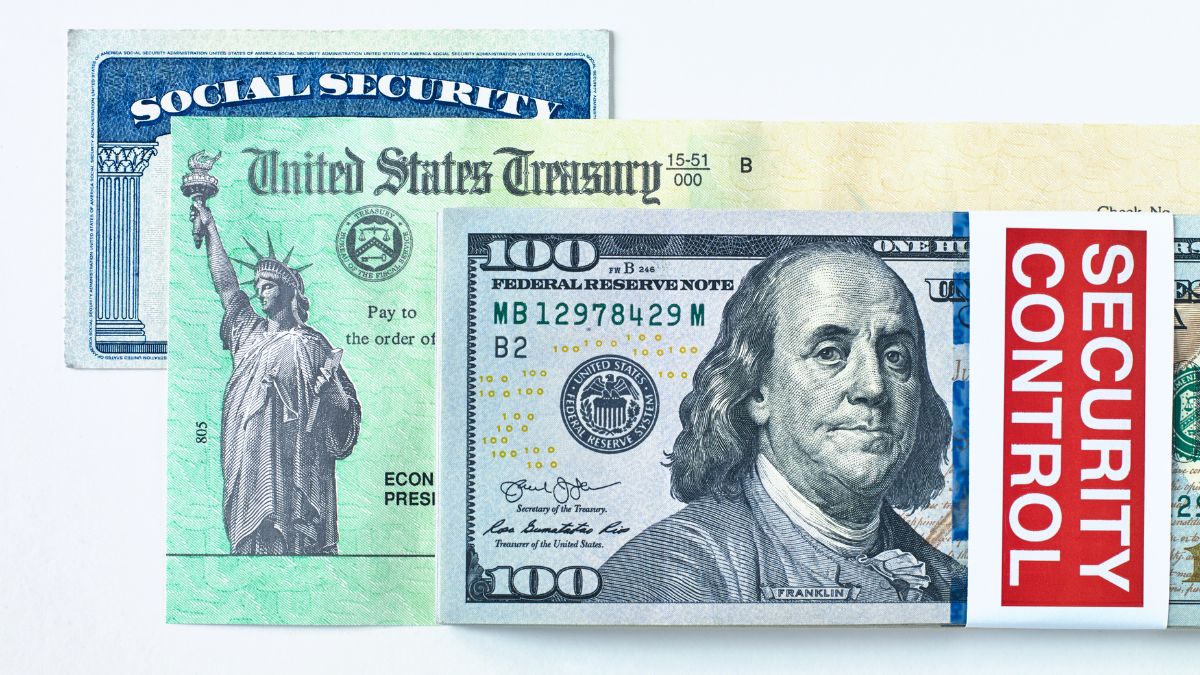
Social Security beneficiaries who still receive paper checks may soon need to change the way they get their monthly payments, as the federal government moves toward a full electronic payment system.
The Social Security Administration says it intends to fully transition to electronic payments this year. The shift follows an executive order signed by President Donald Trump aimed at modernizing federal payments, reducing costs, and improving efficiency across government benefit programs.
The change does not only affect Social Security. It may also apply to payments from the Department of Veterans Affairs and tax refunds issued by the IRS.
Social Security Moving Away From Paper Checks
Paper checks have been used for decades by some retirees and benefit recipients, but the federal government is now pushing nearly all payments into digital formats.
Under the order, federal payments are expected to be sent electronically except in limited cases. That means beneficiaries who still rely on paper checks are being encouraged to move to direct deposit or another approved electronic payment method as soon as possible.
For most Social Security recipients, no action may be needed. The agency says fewer than one percent of beneficiaries still receive paper checks. That is roughly 280,000 people.
Why Paper Checks Are Being Phased Out
The Trump administration says electronic payments are safer, faster, and cheaper than paper checks.
According to the administration, paper checks are more likely to be lost, stolen, altered, or returned as undeliverable compared with electronic payments.
The Treasury Department has also reported that each paper check costs more than $3 to process, making it far more expensive than digital payments.
The Social Security Administration says the move could save the federal government millions of dollars every year while reducing payment problems for beneficiaries.
Who Will Be Affected By The Change
The change mainly affects Social Security beneficiaries who still receive monthly payments by mail.
Most retirees, disabled beneficiaries, survivors, and Supplemental Security Income recipients already receive payments through direct deposit or a prepaid debit card. However, anyone still waiting for a paper check each month should prepare for the transition.
The policy may also affect people who receive other federal payments, including veterans benefits and IRS tax refunds.
How To Switch To Direct Deposit
Beneficiaries can switch to direct deposit through the Social Security website by adding their bank account information.
A bank or credit union can also help provide the direct deposit details needed by the agency. Once the account is linked, future payments can be sent directly to the recipient’s bank account.
Direct deposit may help beneficiaries avoid mail delays, lost checks, and trips to cash or deposit paper payments.
What If You Do Not Have A Bank Account?
People without access to a traditional bank account still have options.
The Direct Express program allows beneficiaries to receive federal payments on a prepaid debit card. The card can be used to make purchases, pay bills, and withdraw cash without needing a separate bank account.
Beneficiaries can learn more about this option through GoDirect.gov or by contacting the appropriate federal payment support service.
Waivers May Be Available In Limited Cases
Some people may not be able to move easily to electronic payments. In those cases, a waiver may be requested through the Treasury Department.
The Social Security Administration says beneficiaries who are unable to make the transition can call 1-877-874-6347 to speak with a technician about the waiver process.
These exceptions are expected to be limited, so beneficiaries who can switch to direct deposit or Direct Express are encouraged to do so quickly.
Why Beneficiaries Should Act Early
Waiting until the last moment could create problems, especially for people who depend on their Social Security payment to cover rent, food, medicine, or utilities.
Switching early gives beneficiaries time to confirm that their bank information is correct and that payments arrive properly. It also reduces the risk of missed or delayed payments during the transition period.
Family members and caregivers may also want to check whether older relatives are still receiving paper checks and help them make the change if needed.
Social Security is moving away from paper checks as part of a wider federal effort to modernize government payments and reduce costs.
Most beneficiaries already receive payments electronically, but those still receiving paper checks should prepare now by signing up for direct deposit or the Direct Express prepaid debit card. Limited waivers may be available for people who cannot make the transition.
For retirees, disabled beneficiaries, survivors, and SSI recipients, the safest step is to check payment settings early and make sure future Social Security payments arrive without interruption.