
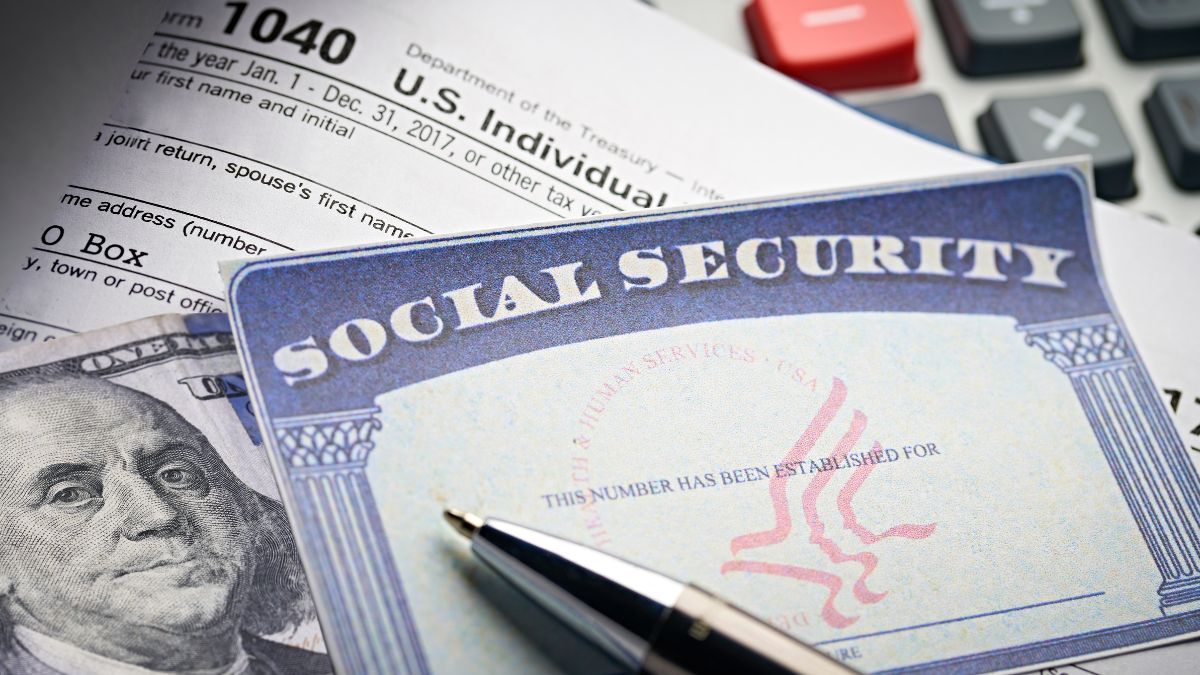
Retirement may sound simple, but Social Security rules can make claiming benefits more complicated than many workers expect. One important rule can shrink a monthly benefit check if a person claims early and continues earning income from work.
The rule is known as the retirement earnings test. It applies to people who claim Social Security retirement benefits before reaching full retirement age and continue working above annual income limits.
In 2026, people under full retirement age for the entire year can earn up to $24,480 before benefits are reduced. Social Security deducts $1 in benefits for every $2 earned above that limit.
This rule does not mean retirees should never work. But it does mean early claimers must understand how wages can affect their monthly checks.
How Workers Qualify For Social Security
To qualify for Social Security retirement benefits, workers must earn enough work credits. In 2026, one credit is earned for each $1,890 in covered earnings, and workers can earn up to four credits per year.
Most people need 40 credits, equal to about 10 years of work, to qualify for retirement benefits.
However, qualifying for benefits is only the first step. The amount a retiree receives depends on lifetime earnings and claiming age. Social Security calculates retirement benefits using a worker’s earnings history, and lower or missing earning years can reduce the final amount.
Why 35 Years Of Earnings Matter
Social Security retirement benefits are generally based on a worker’s highest 35 years of earnings. If someone has fewer than 35 years of earnings, zero-income years are included in the calculation.
That can lower the monthly benefit. For example, someone who worked only 28 years may have seven zero years factored into the formula.
Working longer can sometimes replace low-earning or zero years with stronger income years, potentially raising the benefit calculation.
This is why retirement planning should include both claiming age and work history.
Claiming At 62 Can Permanently Reduce Benefits
Workers can claim Social Security retirement benefits as early as age 62. But claiming before full retirement age permanently reduces monthly payments.
For anyone born in 1960 or later, full retirement age is 67. The SSA explains that someone with a full retirement age of 67 receives less than their full benefit if they start at 62.
A simple example shows the impact. If a person would receive $2,000 per month at full retirement age, claiming at 62 could reduce that check by about 30%, leaving roughly $1,400 per month. That is a $600 monthly difference, or about $7,200 per year.
Working Early Can Trigger Another Reduction
The retirement earnings test can create another temporary reduction for people who claim before full retirement age and keep working.
In 2026, the earnings limit is $24,480 for people under full retirement age all year. For those reaching full retirement age in 2026, the higher limit is $65,160 for the months before full retirement age.
In that case, Social Security deducts $1 for every $3 earned above the limit. Once the worker reaches full retirement age, the earnings limit no longer applies.
Importantly, benefits withheld under the retirement earnings test are not necessarily gone forever. Social Security says benefits reduced before full retirement age are later adjusted when the person reaches full retirement age.
Delaying Benefits Can Increase Monthly Payments
While claiming early reduces payments, delaying benefits can raise them. Social Security allows workers to claim retirement benefits anytime from age 62 to 70. Waiting beyond full retirement age can increase the monthly check through delayed retirement credits.
For 2026, the maximum monthly retirement benefit is $2,969 at age 62, $4,152 at full retirement age, and $5,181 at age 70. These maximums apply to workers with very high lifetime covered earnings.
Most retirees receive less than the maximum, but the principle remains the same: claiming age can significantly affect lifetime income.
Social Security’s income rule can surprise retirees who claim benefits early and continue working. The retirement earnings test may temporarily reduce checks if earnings exceed annual limits before full retirement age.
At the same time, claiming age matters. Starting benefits at 62 can permanently reduce monthly payments, while waiting until full retirement age or age 70 can increase income.
Before filing, retirees should review earnings history, expected work income, health, savings, and monthly budget needs.