
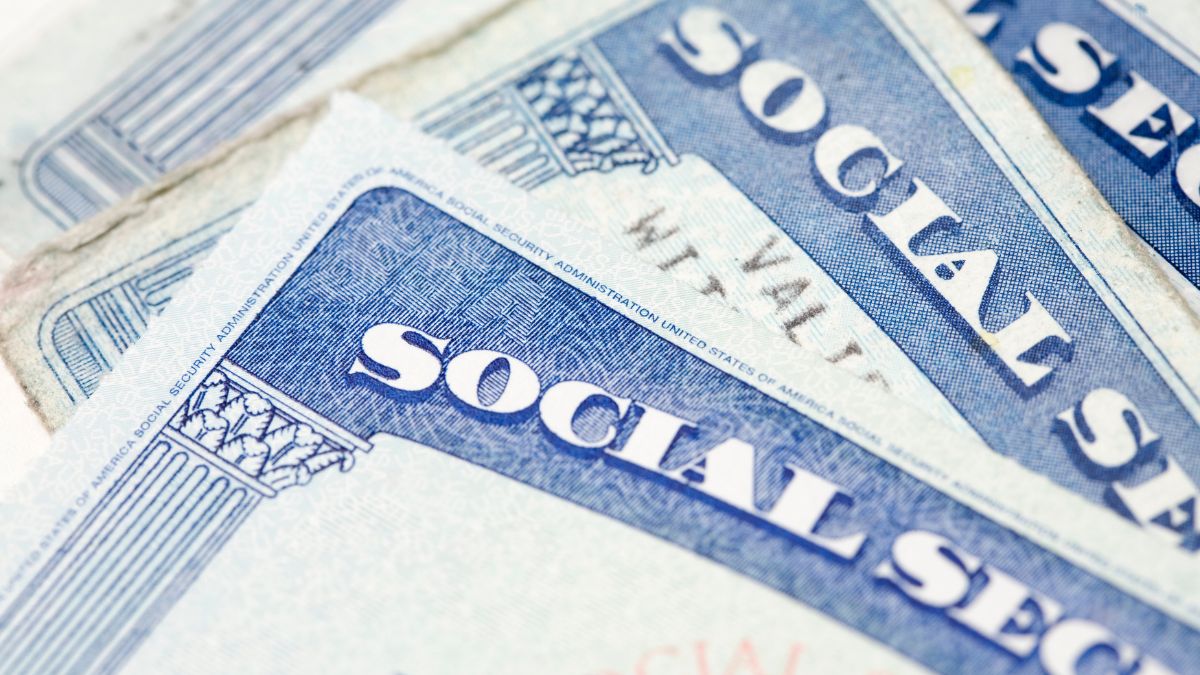
For many retirees, Social Security is no longer just extra monthly income. It is often the main source of money used for rent, groceries, medical costs, utilities and other daily needs.
That is why debt collection can feel especially stressful for older Americans living on a fixed income.
The good news is that Social Security benefits have strong federal protections. In most cases, private creditors cannot directly garnish Social Security retirement, survivor or disability benefits to collect unpaid consumer debt.
However, these protections are not unlimited. Certain debts, including federal taxes, child support, alimony and some federal debts, may still put benefits at risk.
The Social Security Administration says benefits may be withheld for court-ordered garnishment and certain government-related obligations.
1. Credit Card Debt
Credit card debt is one of the most common debts retirees carry. High interest rates can make balances grow quickly, especially when someone is already managing a limited retirement budget.
If a credit card company or debt collector sues you and wins a judgment, it may try to collect through legal methods. However, it generally cannot directly garnish your Social Security benefits for unpaid credit card bills.
These debts are considered private consumer debts, and federal law gives Social Security income protection from most private creditors.
Still, retirees should be careful. If Social Security money is mixed in a bank account with other income, collection issues can become more complicated. Keeping clear records of benefit deposits may help protect your money if a creditor tries to freeze or levy an account.
2. Medical Debt
Medical debt can become a serious burden for older adults, even for those with insurance. Hospital bills, prescription costs, specialist visits and emergency care can add up fast.
Like credit card debt, unpaid medical bills usually cannot lead to direct garnishment of Social Security benefits. A hospital, doctor’s office or collection agency may still contact you, report the debt or take legal action, but Social Security income is generally protected from private medical debt collectors.
That does not mean medical debt should be ignored. Retirees may want to ask providers about financial assistance, payment plans or bill review options before the debt moves further into collections.
3. Personal Loans and Payday Loans
Unsecured personal loans, payday loans and personal lines of credit are also usually unable to reach Social Security benefits directly. These lenders may include banks, credit unions, online lenders or short-term loan companies.
If payments are missed, lenders may charge fees, add interest, send the account to collections or file a lawsuit. But because these are private debts, they normally do not have the power to garnish Social Security benefits directly.
Federal benefit protections are especially important for retirees who rely heavily on monthly checks to cover basic expenses.
However, court judgments can still create financial stress. A creditor may look for other available assets or bank funds that are not protected. That is why it is important to respond to lawsuits and seek help early.
4. Private Student Loans
Student loan debt is not only a young borrower’s problem. Many older Americans carry student loans from their own education or from helping children or grandchildren.
The key difference is whether the loan is federal or private. Federal student loans may fall under government collection rules, but private student loans are treated more like other private debts.
A private student loan lender may sue or pursue collection, but it generally cannot directly garnish Social Security benefits.
Federal student loan collection rules are different and may allow garnishment in some cases, although specific enforcement rules can change over time.
Debts That Can Put Social Security at Risk
Not all debts are protected. Social Security benefits may be garnished or levied for unpaid federal taxes, child support, alimony, court-ordered victim restitution and certain federal debts. SSI payments have stronger protections and generally cannot be levied or garnished.
Most private debts, including credit card debt, medical bills, personal loans and private student loans, usually cannot directly garnish Social Security benefits. This protection is important for retirees who depend on monthly benefits for basic living costs.
However, government debts and family support obligations are different. Understanding which debts are protected and which are not can help retirees manage debt more safely and protect their retirement income.