
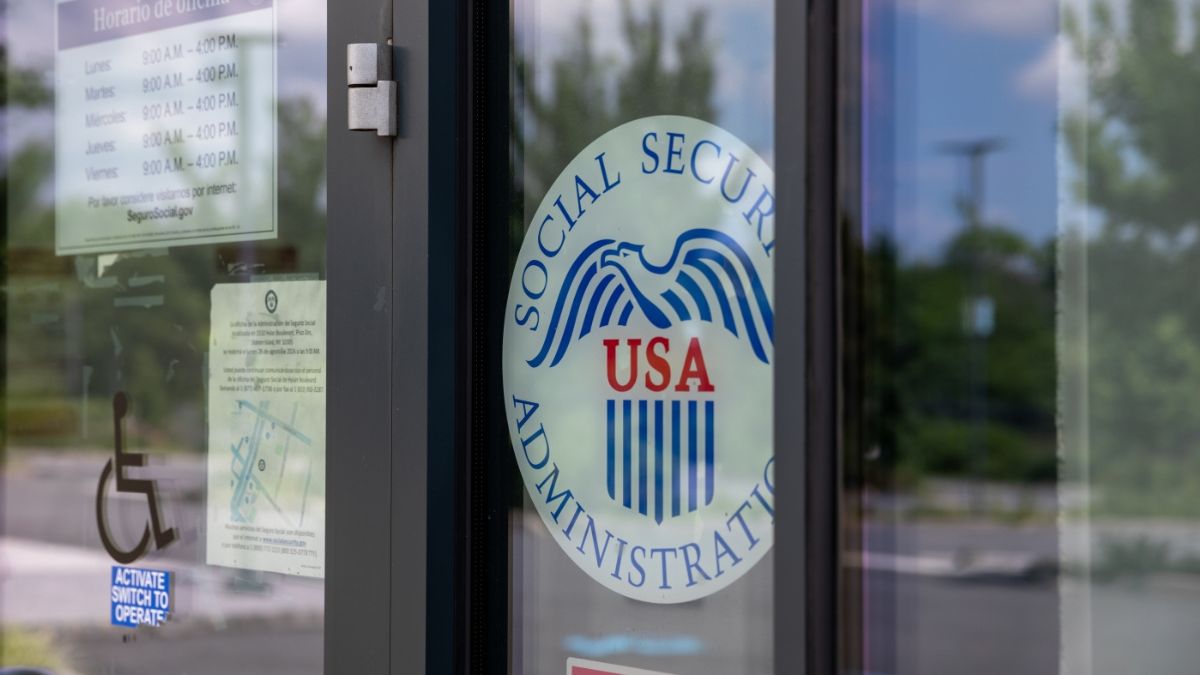
Many retirees build their financial plans around Social Security, trusting that their monthly benefit check will remain a steady source of income. But rising healthcare costs and expensive long-term care bills can quickly disrupt even careful retirement planning.
Nursing home care is one of the biggest financial challenges older Americans may face. According to recent long-term care cost estimates, a semi-private nursing home room can cost around $315 per day, or about $114,975 per year.
A private room may cost around $355 per day, or roughly $129,575 annually.
For retirees living on a fixed income, these costs can be overwhelming. Even people with savings may see their money disappear faster than expected when long-term care becomes necessary.
Can Nursing Homes Garnish Social Security?
In most cases, unpaid nursing home debt does not directly lead to Social Security garnishment by a private creditor.
Federal law generally protects Social Security benefits from garnishment by most private creditors. This includes nursing homes, medical providers, hospitals, rehabilitation facilities, and debt collectors trying to recover unpaid care bills.
That means a nursing home usually cannot directly take money from a person’s Social Security check before it is paid.
However, the situation can become more complicated after Social Security money is deposited into a bank account.
Banks are required to protect certain amounts of directly deposited Social Security benefits from most garnishment orders, but problems can happen if the funds are mixed with other income sources.
When Social Security Can Be Reduced
It is also important to understand the difference between private debt and federal debt.
Private nursing home debt is generally not treated the same way as certain debts owed to the federal government. Some federal debts, such as unpaid federal taxes or specific federal student loan obligations, may result in Social Security offsets under certain rules.
Nursing home debt typically does not fall into that category. Still, unpaid care bills can create serious financial consequences in other ways.
Other Consequences Of Unpaid Nursing Home Bills
Even if Social Security checks are protected from direct garnishment, nursing homes can still try to collect unpaid debt.
A facility may send the account to collections, report unpaid balances to credit bureaus, or file a lawsuit. If the nursing home wins a court judgment, it may try to collect through other legal methods, depending on state and federal law.
These methods could include bank account levies or wage garnishment if the person is still working. However, Social Security funds generally continue to receive strong legal protection, especially when they are clearly identifiable as benefit payments.
How Long-Term Care Insurance Can Help
One way to reduce the risk of nursing home debt is to plan before care is needed.
Long-term care insurance can help cover services that Medicare and regular health insurance often do not pay for over long periods.
Depending on the policy, it may help pay for nursing home care, assisted living, in-home care, adult day care, and other support services.
Without coverage, many retirees must rely on savings, retirement accounts, or family help. Because nursing home costs can reach well over $100,000 per year, these expenses can quickly drain a retirement nest egg.
Long-term care insurance is not the right choice for everyone, and premiums can be expensive, especially for people who wait until later in life. Still, reviewing options before retirement may help families avoid major financial stress later.
Nursing home debt can create serious financial pressure, but it usually does not allow private creditors to directly garnish Social Security benefits. Federal protections shield most Social Security payments from nursing homes and debt collectors.
However, unpaid care bills can still lead to collections, lawsuits, judgments, and other complications. Planning ahead through long-term care insurance, savings, or family financial strategies can help retirees reduce the risk of debt and protect their financial stability.