
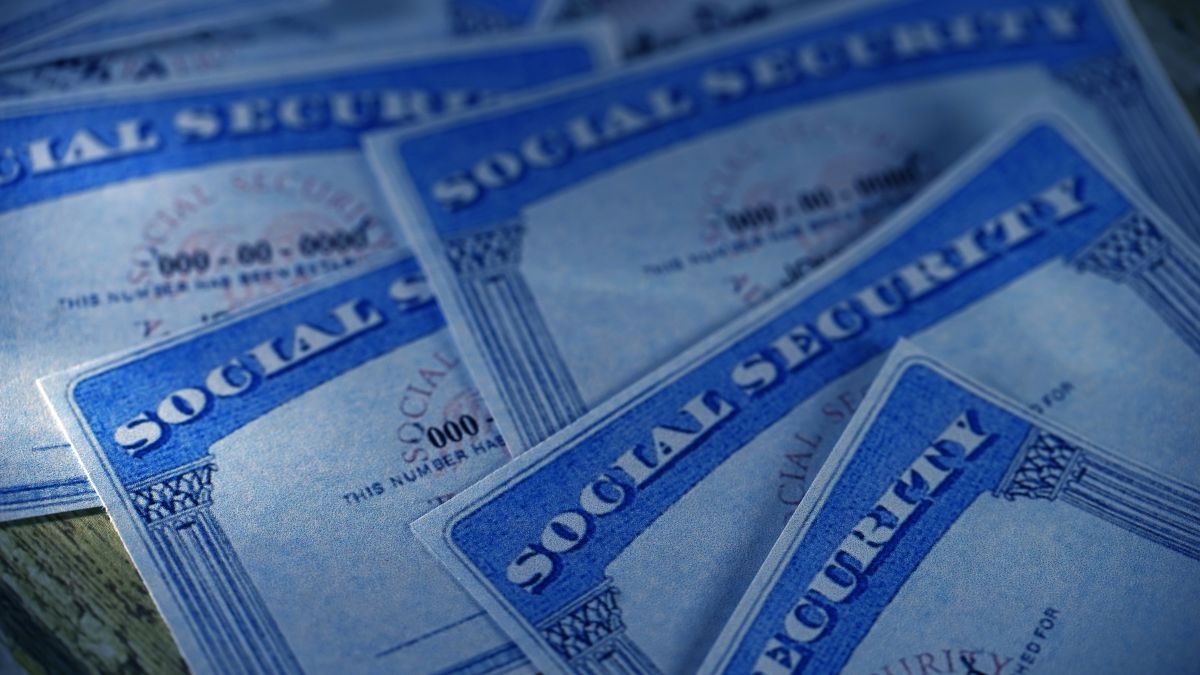
Millions of older Americans are entering retirement with debt, and for many of them, Social Security is their main source of monthly income.
With the average retiree receiving around $2,000 per month, rising costs for housing, groceries, utilities and medical care can make it difficult to manage basic expenses.
The pressure becomes even greater when retirees are also carrying credit card balances, medical bills, personal loans, tax debt or federal student loans.
Many people believe Social Security benefits are completely protected from debt collectors, but that is not always true.
In some cases, certain debts can lead to garnishment, levy or federal offset actions that reduce monthly benefits.
Can Bankruptcy Stop Social Security Garnishment?
Bankruptcy may stop some Social Security garnishment actions, but it depends on the type of debt and who is trying to collect it. When a person files for bankruptcy, an automatic stay usually takes effect immediately.
This legal protection temporarily stops many collection efforts, including lawsuits, wage garnishments, bank levies and collection calls.
However, Social Security garnishment rules are different depending on whether the debt is owed to a private creditor, the federal government or another protected obligation such as child support.
Credit Card Debt, Medical Bills And Personal Loans
For private debts such as credit cards, medical bills and personal loans, bankruptcy can often stop collection pressure. If a creditor has sued the borrower and received a court judgment, bankruptcy may pause or stop actions connected to that judgment.
In many cases, private creditors cannot directly garnish Social Security benefits, especially when the money is clearly identifiable as federal benefit income.
Banks are generally required to protect up to two months of electronically deposited Social Security payments from most private creditor garnishments.
Still, problems can occur when Social Security money is mixed with other deposits or remains in the account for a long time. In those situations, bankruptcy may help by stopping lawsuits, bank levies and additional collection activity.
Federal Student Loans Can Be More Complicated
Federal student loan debt is different from ordinary private debt. If a borrower defaults on federal student loans, the government may be able to offset part of their Social Security benefits.
Bankruptcy can temporarily pause this collection through the automatic stay, but it may not permanently remove the debt.
To discharge federal student loans in bankruptcy, borrowers usually need to prove undue hardship through a separate court process.
This can be difficult, although some recent changes have made hardship discharge more possible for certain older borrowers with limited income and long-term financial hardship.
Tax Debt And Government Obligations
The IRS may also collect certain unpaid tax debts through federal benefit levies. Bankruptcy may pause some tax collection efforts, but not all tax debts are erased in bankruptcy.
Some older tax debts may qualify for discharge if they meet strict timing and filing rules, while newer or non-qualifying tax debts may remain.
Other obligations, including child support and some government-related debts, usually survive bankruptcy and may still be collected.
Other Debt Relief Options For Retirees
Bankruptcy can be powerful, but it is often considered a last resort. Retirees may also consider debt settlement, debt management plans or hardship programs.
Debt settlement may reduce the total amount owed by negotiating with creditors. Debt management plans through credit counseling agencies can combine unsecured debts into one payment, often with lower interest rates.
Hardship programs may temporarily lower payments or pause collections for borrowers facing retirement-related financial stress.
Bankruptcy can stop Social Security garnishment in some cases, especially when private creditors are involved.
However, federal student loans, tax debt, child support and some government obligations may be harder to stop or discharge.
Before filing for bankruptcy, retirees should understand what type of debt they owe and explore debt relief options that may protect their income without creating long-term financial consequences