
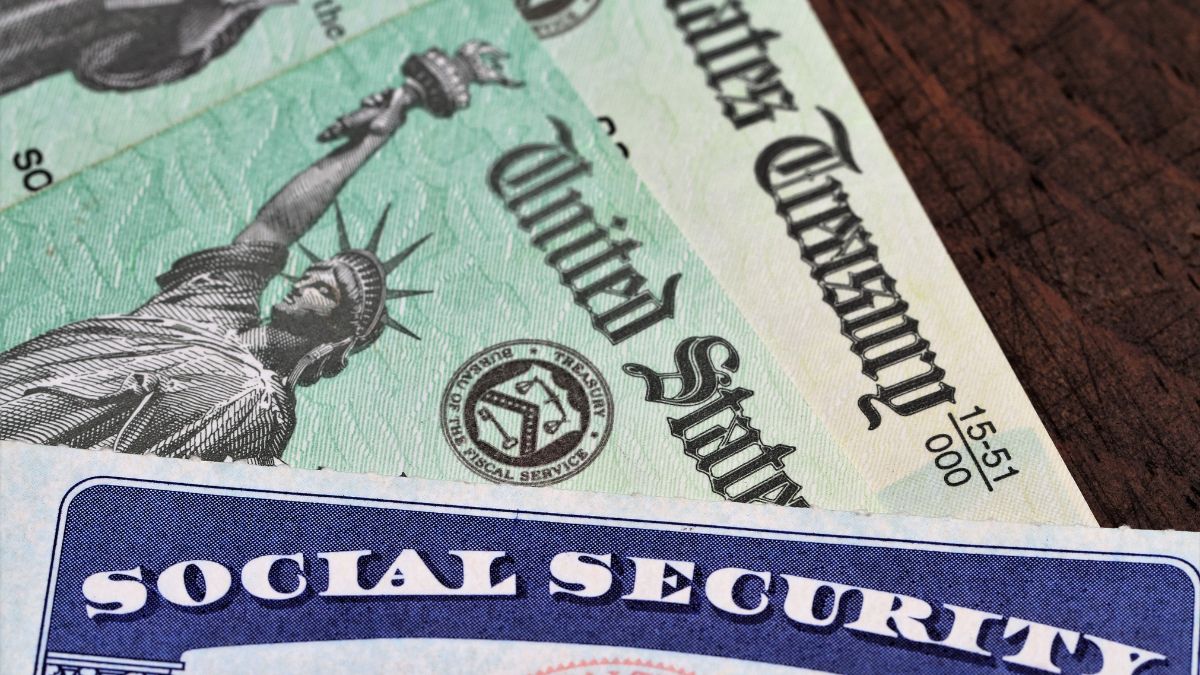
For decades, many older Americans depended on their monthly Social Security check arriving by mail. But that system is now being phased out as the Social Security Administration moves toward electronic payments.
The SSA plans to complete the full transition this year, meaning most beneficiaries will receive payments through direct deposit or a Treasury-approved prepaid debit card.
Paper checks will only be sent in limited cases, usually when a beneficiary qualifies for a government waiver.
For many retirees, this change may be faster and safer. But for older adults who still rely on mailed checks, the transition can feel confusing and stressful.
Why The Change Matters
Social Security is not just another payment for many retirees. It is the money used for rent, utilities, groceries, prescriptions and daily needs.
Even a short delay can create real hardship. That is why the end of paper checks is more than a technology update. It is also a financial safety issue for vulnerable older adults.
The people most affected may include seniors without online accounts, people in rural areas, those without bank accounts, widows or widowers who relied on a spouse for finances, and beneficiaries with memory or health challenges.
What Replaces Paper Checks
Beneficiaries generally have two electronic payment options.
The first is direct deposit into a checking or savings account. This is usually the simplest option for people who already have a safe bank or credit union account.
The second option is the Direct Express Debit Mastercard, a Treasury-backed prepaid card. This card allows Social Security payments to be loaded directly onto the card without needing a traditional bank account.
This option is important because not every older person can easily open or manage a bank account. Some may face transportation limits, banking fees, overdraft worries or confusion around account management.
Identity Checks May Create Challenges
As paper checks are phased out, the SSA has also tightened identity verification for certain payment changes.
Some beneficiaries who cannot use a personal my Social Security account may need to visit a local Social Security office to prove their identity. This can be difficult for frail seniors, people who no longer drive, or those without internet access.
Family caregivers may know what needs to be done, but they may not always have legal authority to act. In some cases, families may need to explore the SSA representative payee process if the beneficiary can no longer manage benefits.
Watch Out For Scams
Major government changes often create opportunities for scammers.
Older adults should be warned about calls, texts, emails or letters claiming their Social Security payments will stop unless they provide personal details immediately.
Beneficiaries should never share Social Security numbers, bank details, debit card numbers, PINs or passwords with unknown callers.
Families should also watch for people offering to “help” but asking to deposit benefits into their own account.
How Families Can Help
The first step is simple: confirm whether an older loved one still receives a paper check.
Then review the safest payment option. If they have a reliable bank account, direct deposit may work best. If not, Direct Express may be a better fit.
Families should also help set up a payment calendar showing expected deposit dates, bill due dates and official phone numbers to call if money does not arrive.
The move away from paper Social Security checks may improve speed, security and reliability for many beneficiaries. But older adults who still depend on mailed checks need support before a problem happens.
Families, caregivers and advisers should help review payment options, protect against scams and make sure benefits continue arriving safely.