
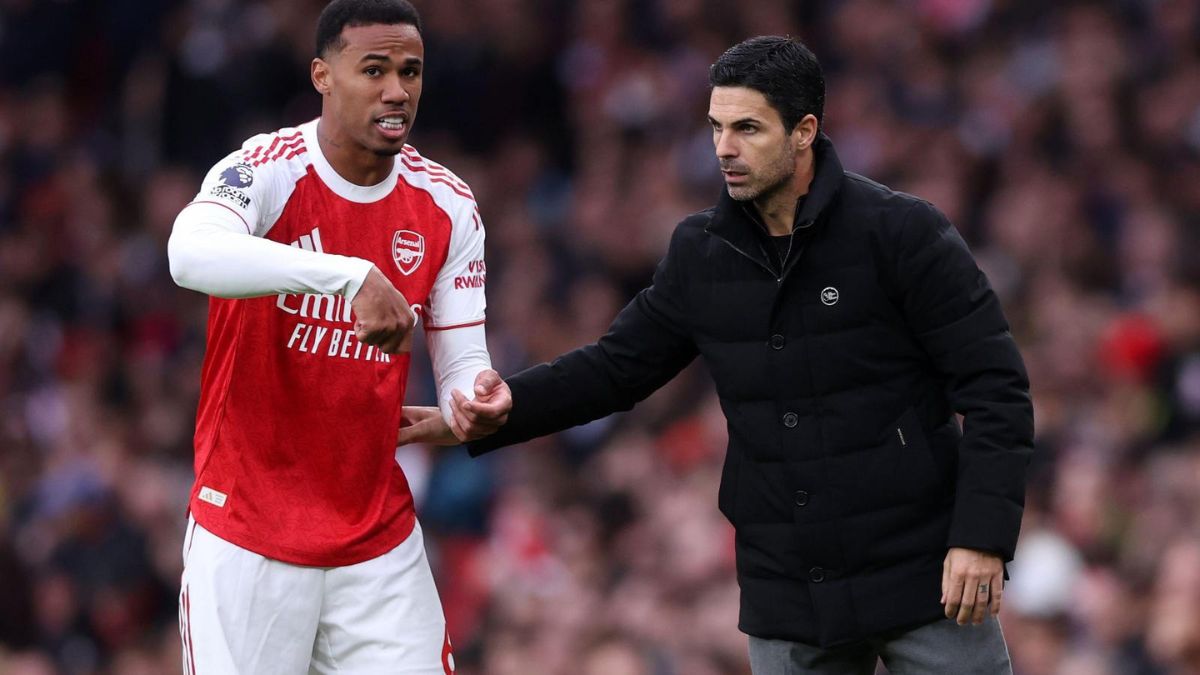
After securing the Premier League title, Mikel Arteta’s Arsenal now have their sights set on European glory as they prepare to face Paris Saint-Germain in the UEFA Champions League final on Saturday.
The matchup presents a fascinating contrast in styles. Arsenal have built their European campaign on defensive discipline, ball control, and limiting opposition opportunities, while PSG have overwhelmed opponents with one of the most potent attacks in the competition.
Arsenal enter the final with nine clean sheets, the highest total in this season’s Champions League. PSG, meanwhile, have managed five shutouts but lead the tournament in scoring with 44 goals, compared to Arsenal’s 29.
The final therefore pits the competition’s strongest defensive side against its most explosive attacking team.
Arsenal May Need to Be More Aggressive
While Arsenal’s defensive record has been exceptional, Arteta is likely to encourage his team to play proactively rather than sit back and absorb pressure.
During last season’s Champions League semi-final against PSG, Arsenal often succeeded when they pushed higher up the pitch and forced the French champions to defend deep in their own half.
Repeating that approach could be crucial if Arsenal hope to disrupt PSG’s rhythm and create scoring opportunities.
The Importance of a False Nine
One tactical adjustment that proved effective in previous meetings was Arsenal’s use of Mikel Merino in an advanced attacking role.
Instead of operating as a traditional striker, Merino frequently dropped into midfield, creating numerical advantages and helping Arsenal progress the ball through PSG’s aggressive pressing structure.
Creating an Extra Midfielder
PSG often defend with intense man-to-man pressure. By moving deeper into midfield, Merino forced difficult decisions for PSG’s defenders.
When center-back Willian Pacho chose not to follow him, Arsenal effectively gained an extra player in midfield. If PSG’s midfielders stepped out to track Merino, space opened elsewhere for Arsenal’s other midfielders.
This strategy helped the Gunners advance up the field and break through PSG’s press more effectively.
Havertz and Merino Offer Tactical Flexibility
While striker Viktor Gyokeres has enjoyed a productive season, both Kai Havertz and Merino possess qualities that suit this tactical setup.
Their ability to:
- Drop into midfield
- Hold up long passes
- Link play between lines
- Win aerial duels
could provide Arsenal with valuable alternatives against PSG’s pressing system.
Long passes from goalkeeper David Raya toward Havertz or Merino could also help Arsenal bypass PSG’s first line of pressure and create second-ball opportunities for their midfielders.
Arsenal May Need to Attack Through Central Areas
One challenge Arsenal faced in previous meetings with PSG was breaking through a disciplined defense led by goalkeeper Gianluigi Donnarumma.
Several teams, including Chelsea, RC Lens, and Bayern Munich, have found success against PSG by attacking through the middle rather than relying solely on wide play.
Taking Risks in Tight Spaces
By positioning players close together, opponents have managed to draw PSG’s defenders and midfielders into crowded areas before quickly moving the ball into open spaces elsewhere.
Arsenal traditionally prefer safer attacking patterns, often working through wide areas and crossing opportunities. However, the final may require them to embrace a more direct central approach.
Players such as:
- Leandro Trossard
- Kai Havertz
- Bukayo Saka
- Martin Zubimendi
- Eberechi Eze
possess the technical ability to operate effectively in tight spaces and could help unlock PSG’s defensive structure.
Stopping PSG’s Dynamic Attack
Containing PSG’s front line will be one of Arsenal’s biggest challenges.
A key danger comes from Khvicha Kvaratskhelia, whose pace, movement, and creativity make him one of Europe’s most dangerous attackers.
PSG’s Rotational System
Under Luis Enrique, PSG employ a highly fluid attacking structure.
The team aims to keep specific zones occupied at all times, including:
- Both wings
- The center-forward position
- Central defensive areas
However, the identity of the player occupying those positions changes constantly.
Frequent positional rotations create confusion and force opponents to make difficult defensive decisions.
Arsenal Must Decide How to Defend
One recurring PSG pattern involves attackers dropping deep before teammates make runs behind the defense.
An example came against Bayern Munich when Desire Doue moved into midfield while Kvaratskhelia repeatedly altered his positioning before making a decisive run into space.
These movements can freeze defenders and create passing lanes behind the back line.
Arsenal will likely need to choose between:
- Pressing aggressively and tightly marking players who drop deep
- Sitting deeper and reducing the space available behind their defense
Both approaches carry risks, making defensive organization crucial.
Lessons from Last Season’s Semi-Final
During last season’s encounter, Arsenal struggled early before Arteta adjusted his pressing strategy.
One significant change involved Martin Odegaard, whose positioning higher up the pitch made it more difficult for PSG to connect with midfield runners.
Another important adjustment was the way William Saliba closely tracked Ousmane Dembele, even when the winger moved into deeper areas.
This more aggressive man-to-man approach disrupted PSG’s build-up play and limited their ability to create dangerous transitions.
Former Chelsea manager Enzo Maresca adopted a similar strategy during his side’s victory over PSG, emphasizing that giving the French champions time on the ball often leads to problems.
Set Pieces Could Be Arsenal’s Biggest Weapon
Few teams have been as dangerous from set plays as Arsenal this season.
That could prove especially important against a PSG side that has shown vulnerability defending dead-ball situations.
PSG’s Weakness on Crosses
Although PSG conceded only 29 league goals this season, six came from non-penalty set pieces.
Tottenham demonstrated this weakness earlier in the campaign, scoring multiple goals against PSG from deliveries into the penalty area.
One recurring issue has been PSG’s difficulty dealing with crosses aimed toward the back post.
When defenders retreat toward their own goal, changing direction to deal with a second header can create confusion and open opportunities for attackers.
Why Arsenal Could Capitalize
Arsenal possess several players capable of dominating aerial situations and exploiting these weaknesses.
If the Gunners can:
- Win corners
- Earn free kicks in dangerous areas
- Sustain pressure in PSG’s half
they may generate some of their best scoring opportunities through set-piece situations.
Final Could Be Defined by Fine Margins
The Champions League final brings together two of Europe’s strongest teams with very different strengths.
Arsenal’s defensive discipline, set-piece excellence, and midfield control will be tested against PSG’s attacking quality, technical skill, and fluid movement.
For Arteta’s side, success may depend on finding the right balance between maintaining defensive solidity and taking enough risks to threaten one of Europe’s most talented squads.
While PSG enter the match as defending champions, Arsenal have shown throughout their European campaign that they possess the tactical flexibility and resilience needed to challenge any opponent.