
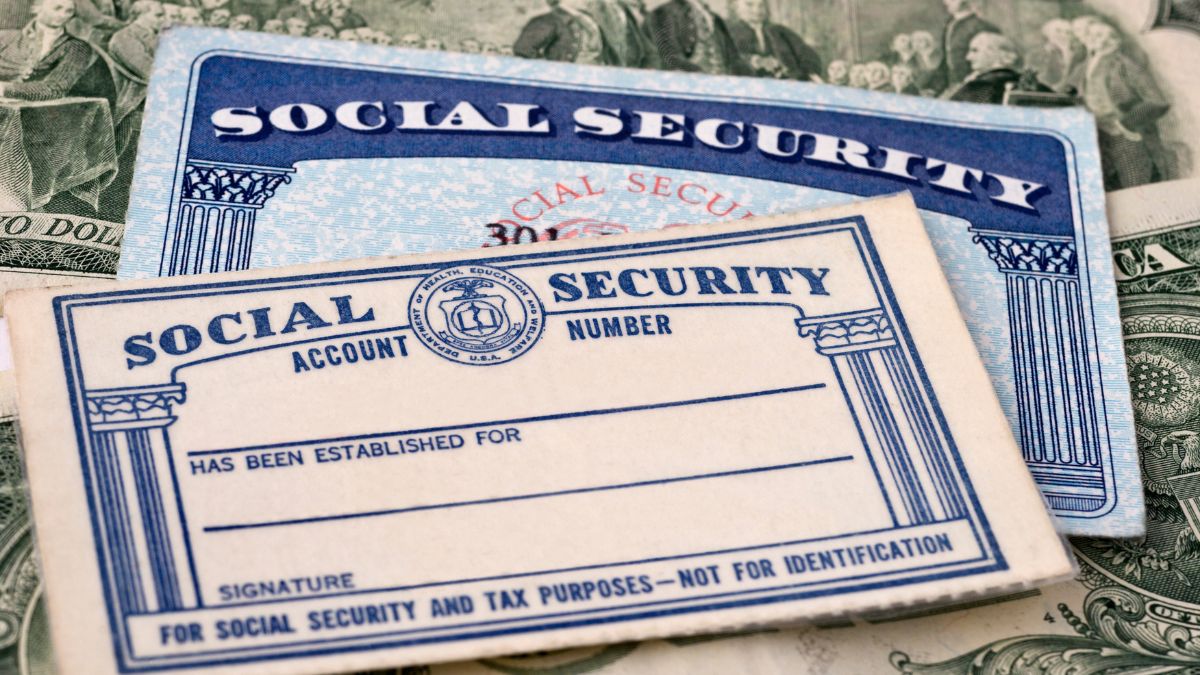
Many Americans claim Social Security as soon as they become eligible at age 62. For some retirees, taking benefits early makes sense because it provides income sooner, even though monthly payments are permanently reduced compared with waiting until full retirement age.
However, there is one rule that often surprises new retirees: the Social Security earnings rule.
This rule matters for people who claim benefits before full retirement age and continue working. If their income rises above a certain limit, part of their Social Security benefits may be withheld.
For retirees who are not prepared, this can create confusion and pressure on their monthly budget.
Why Many People Claim Social Security At 62
Age 62 is the earliest age most Americans can start collecting Social Security retirement benefits.
Although claiming early means smaller monthly checks, many people still choose this option because they want or need the income right away. Others may be leaving full-time work, dealing with health concerns, or trying to reduce financial stress before reaching full retirement age.
For people born in 1960 or later, full retirement age is 67. That means someone who claims at 62 can receive benefits five years earlier than if they waited until full retirement age.
The tradeoff is important: early benefits provide income sooner, but the monthly amount is lower.
What The Social Security Earnings Test Means
The Social Security Administration allows beneficiaries to work while receiving benefits. Once a person reaches full retirement age, they can earn as much as they want without having benefits reduced under the earnings test.
But before full retirement age, different rules apply.
If you collect Social Security early and continue working, your earnings may be tested against annual limits. If you earn more than the allowed amount, Social Security may withhold part of your benefits.
This is the rule that trips up many new retirees. They may assume they can claim benefits and keep working without any short-term effect. But if their income is too high, their monthly checks may be reduced or temporarily stopped.
2026 Social Security Earnings Limits
For 2026, the earnings test works in two main ways.
If you will not reach full retirement age at any point during the year, Social Security withholds $1 in benefits for every $2 you earn above $24,480.
If you will reach full retirement age during the year, the limit is higher. In that case, Social Security withholds $1 in benefits for every $3 you earn above $65,160.
These limits apply only before full retirement age. Once you reach full retirement age, the earnings test no longer reduces your benefits, no matter how much you earn from work.
Withheld Benefits Are Not Gone Forever
One important point is that withheld benefits are not permanently lost.
After you reach full retirement age, the Social Security Administration recalculates your benefit amount and gives you credit for months when benefits were withheld. This can lead to a higher monthly payment later.
Still, that does not always solve the short-term problem.
If you expected a certain monthly Social Security check and suddenly receive less because of the earnings test, your budget may suffer. Retirees who depend on benefits for rent, groceries, utilities or medical costs could feel the impact quickly.
That is why it is important to plan before claiming early while still working.
Why This Rule Creates Budget Problems
The earnings rule often causes trouble because many people do not understand it before they claim.
A new retiree might take Social Security at 62 while continuing part-time or full-time work. If their earnings exceed the annual limit, they may later learn that some benefits must be withheld.
This can be especially frustrating for people who planned their retirement income carefully but forgot to include the earnings test.
The rule does not mean working while collecting Social Security is a bad idea. It simply means retirees need to know how much they can earn before benefits are affected.
Working After Full Retirement Age Can Help
Once you reach full retirement age, working can actually help increase future Social Security benefits in some cases.
Social Security benefits are based on your earnings history. If you keep working and earn more than you did in some earlier years, those newer earnings may replace lower-earning years in the benefit calculation.
That could raise your monthly benefit amount.
This is another reason why timing matters. Claiming early while working may reduce benefits temporarily, while working after full retirement age can sometimes improve benefits.
Retirees Should Watch For Annual Updates
The Social Security earnings limits change each year, usually rising with inflation.
The 2026 limits are $24,480 for people who will not reach full retirement age during the year and $65,160 for those who will. However, these figures are likely to change for 2027.
The Social Security Administration usually announces updated limits in October, along with the annual cost-of-living adjustment.
Anyone planning to claim benefits early while continuing to work should check the latest limits before making a decision.
The Social Security earnings rule is one of the most important rules new retirees need to understand. It can reduce or temporarily withhold benefits for people who claim before full retirement age and continue earning above the annual limit.
While withheld benefits are not gone forever, they can still create short-term financial stress if retirees are not prepared.
Before claiming Social Security at 62, workers should review the earnings test, estimate future income and understand how the rule could affect monthly checks. Knowing the rule early can help retirees avoid surprises and build a more stable retirement plan.