
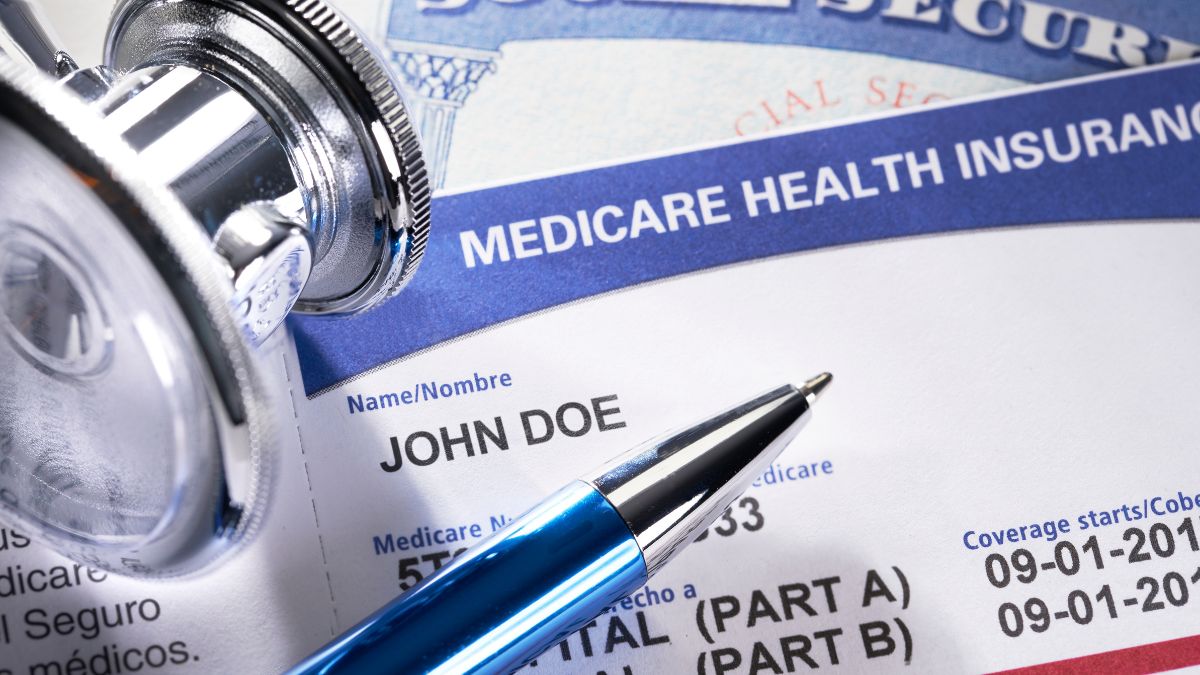
Medical debt is a growing concern for many Americans, especially retirees and older adults who rely on fixed monthly income. Hospital bills, specialist visits, prescription costs and rising Medicare-related expenses can quickly strain a household budget.
For people who depend on Social Security to pay for rent, groceries and utilities, unpaid medical bills can create a frightening question: can medical debt affect Social Security benefits?
In most cases, the answer is reassuring. Private medical creditors generally cannot directly garnish Social Security benefits to collect unpaid medical bills.
However, medical debt can still create financial stress, collections activity and legal complications if it is ignored.
Are Social Security Benefits Protected From Medical Debt?
Social Security benefits are generally protected from most private creditors, including hospitals, medical providers and collection agencies.
Federal rules say Social Security benefits are generally exempt from legal processes such as garnishment, levy or attachment by most commercial creditors.
This means a hospital or private debt collector typically cannot take money directly from your monthly Social Security retirement or disability benefit just because you owe medical bills.
The same protection usually applies to common consumer debts such as credit cards and personal loans.
Important Exceptions to Know
There are some exceptions. Social Security benefits can sometimes be garnished for certain government or court-ordered debts, including unpaid federal taxes, child support, alimony, federal student loans or court-ordered restitution.
SSI payments have stronger protections and generally cannot be garnished, even for many government debts.
Standard medical debt from private healthcare providers usually does not fall into these exception categories.
What Happens After Benefits Reach Your Bank Account?
Even though Social Security benefits are protected, problems can become more complicated once money is deposited into a bank account.
Federal banking rules generally require banks to protect up to two months of directly deposited federal benefits from most garnishment orders.
However, confusion can happen if Social Security money is mixed with other funds or if a creditor obtains a court judgment and tries to freeze an account.
That is why many financial counselors recommend keeping Social Security deposits in a separate account and responding quickly to any legal notice.
Medical Debt Can Still Hurt Financial Stability
Medical debt may not directly reduce your Social Security check, but it can still affect your overall financial life. Unpaid bills may be sent to collections, and collection accounts can create stress and damage credit access.
A creditor may also sue over unpaid balances in some cases. Even if your Social Security income is protected, a lawsuit can still create paperwork, court deadlines and pressure to prove that funds are exempt.
Debt Relief Options for Medical Bills
If medical debt becomes difficult to manage, contact the provider before the bill reaches collections. Many hospitals offer financial assistance, hardship discounts or payment plans, especially for older adults and people with limited income.
You can also negotiate with collection agencies. Because medical debt is usually unsecured, some collectors may accept less than the full balance through a settlement.
However, settlements may affect credit and could have tax consequences in some situations.
Nonprofit credit counseling, debt management plans and legal aid services may also help people understand their rights and avoid aggressive collection tactics.
What Seniors Should Do Now
Anyone relying on Social Security should keep records of medical bills, payment agreements and collection letters. It is also wise to verify bills before paying, ask for itemized statements and check whether insurance was properly applied.
If a bank account is frozen or a collector threatens protected benefits, seek help from a consumer law attorney, legal aid office or accredited financial counselor.
The link between medical debt and Social Security benefits is important but often misunderstood. In most cases, private medical creditors cannot directly garnish Social Security payments.
Still, unpaid medical debt can lead to collections, lawsuits and financial pressure.
The best step is to act early. Ask about hospital assistance, negotiate payment plans and protect Social Security deposits carefully. With the right action, seniors can reduce debt stress while protecting the income they rely on most.