
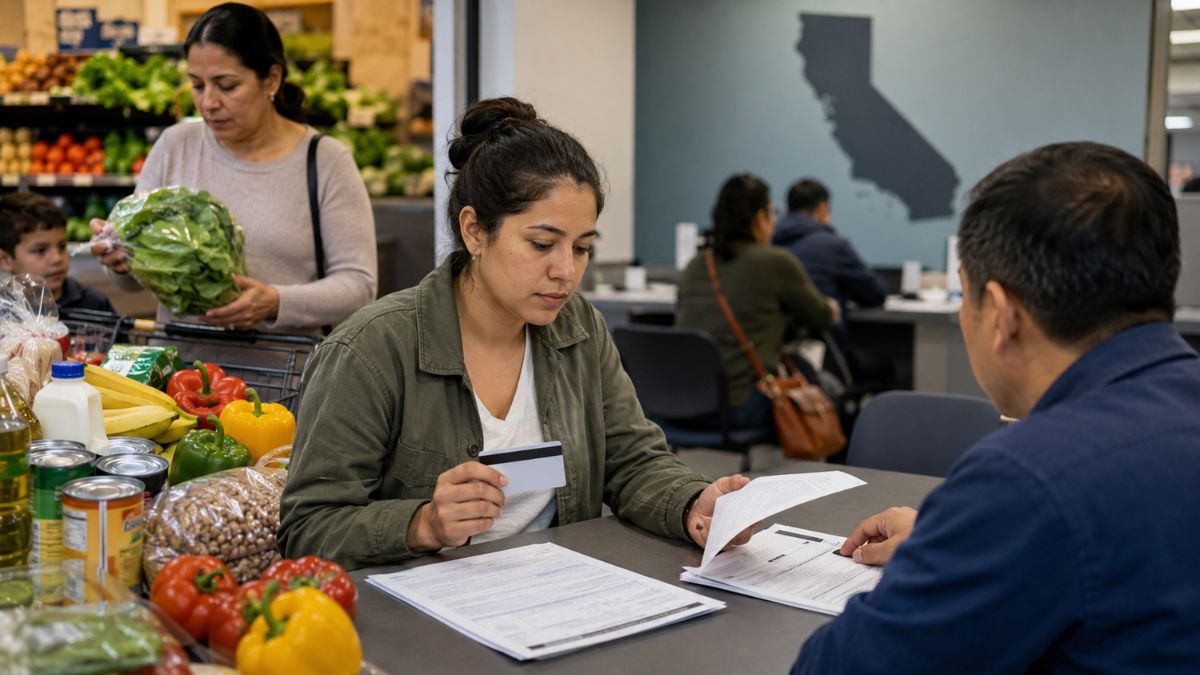
Millions of Californians who receive food assistance through CalFresh, the state’s version of SNAP, could soon face new work and community engagement requirements.
The changes begin on June 1, 2026, and are tied to updated federal rules affecting certain adults who receive food benefits.
The new rules are expected to have the biggest impact on adults who are able to work, do not have a disability, and do not live with a dependent child under age 14.
For some recipients, keeping CalFresh benefits may now require work, volunteering, education, job training, or another approved activity.
What Is Changing for CalFresh Recipients?
Starting June 1, some CalFresh recipients must meet federal work and community engagement rules to continue receiving benefits.
According to the California Department of Social Services, the rules generally apply to people who are 18 to 64 years old, do not have a disability, and do not have a dependent child under age 14.
This marks a major change because some groups that were previously less likely to face these requirements may now be included.
Adults aged 55 to 64, some parents with older children, veterans, people experiencing homelessness, and former foster youth may face new expectations unless they qualify for an exemption.
How the Work Requirement Works
Recipients covered by the rules may need to complete 20 hours per week or 80 hours per month of qualifying activity. This can include paid work, self-employment, community service, volunteer work, job training, education, or workforce development programs.
People who do not meet the requirement and do not qualify for an exemption may be limited to three months of CalFresh benefits within a three-year period. This rule is commonly linked to Able-Bodied Adults Without Dependents, often called ABAWDs.
Who May Be Exempt?
Not every CalFresh recipient will be affected. Exemptions remain available for several groups.
People may be excused from the rules if they are pregnant, have a physical or mental health condition that prevents them from working, care for a child under 14, care for a person with a disability, receive or apply for disability-related benefits, or meet other qualifying criteria.
Some students, people in certain work programs, and members of federally recognized tribes may also be exempt.
California officials have also noted that people dealing with issues such as chronic homelessness, domestic violence, addiction, or health-related barriers may still be able to seek exemptions depending on their circumstances.
Some Counties Have Temporary Waivers
Several California counties will not immediately follow the ABAWD time-limit rules because of temporary waivers.
Counties listed under current waiver coverage include Alpine, Colusa, Imperial, Merced, Monterey, Plumas, and Tulare.
Residents in those counties may be able to continue receiving benefits beyond the standard time limit even if they are not meeting the work requirement, at least while the waiver remains active.
Why the Changes Matter
CalFresh helps millions of low-income Californians pay for groceries. Any change to eligibility rules can have a major effect on household food budgets, especially for people with unstable work, limited transportation, health barriers, or difficulty finding enough hours.
Supporters of stronger work requirements argue that they encourage employment and participation in the workforce. Critics say the rules can cut food aid from people who are already struggling, especially when job opportunities are limited or personal barriers are not fully considered.
What Recipients Should Do Now
CalFresh recipients should watch for notices from their county office and keep their contact information updated through BenefitsCal or their local social services agency. Anyone who believes they qualify for an exemption should respond quickly and provide requested documents.
Recipients should also check whether work, school, volunteering, or training hours can count toward the requirement before assuming they are ineligible.
The new California SNAP benefit rules beginning in June could significantly change how many CalFresh recipients keep their food assistance.
Adults aged 18 to 64 without a disability or a dependent child under 14 are most likely to be affected.
While exemptions and county waivers remain available, the changes may create confusion for many households.
CalFresh recipients should review notices carefully, update their information, and contact their county office if they believe they should be exempt.