
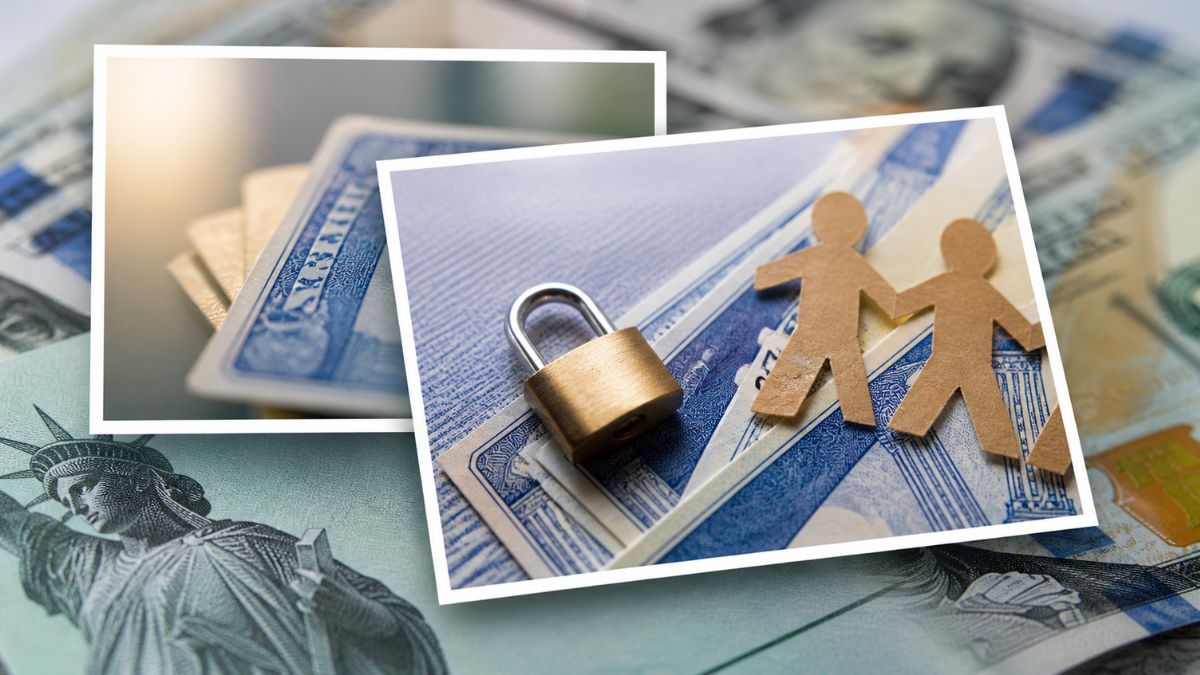
Social Security benefits are not just extra income for millions of Americans. For many retirees, older adults, and people with disabilities, these monthly payments are the main source of money used for rent, food, utilities, medical costs, and daily living expenses.
Because these benefits are so important, federal law gives them strong protection from most private debt collectors.
In general, a private debt collector cannot directly garnish Social Security benefits. However, there is one area that can still create confusion and stress: a bank levy.
A debt collector may not be able to take Social Security directly, but they may still try to freeze a bank account after winning a court judgment.
That is why it is important to understand how the rules work and how beneficiaries can protect their money.
Can Private Debt Collectors Garnish Social Security Benefits?
In most cases, private debt collectors cannot garnish Social Security benefits. This means creditors such as credit card companies, medical debt collectors, personal loan lenders, or collection agencies generally cannot take Social Security payments directly from the Social Security Administration.
These federal protections are designed to make sure beneficiaries can still access money needed for basic living expenses. However, the situation can become more complicated once Social Security benefits are deposited into a bank account.
That is where the difference between garnishment and a bank levy becomes important.
What Is a Bank Levy?
A bank levy is a legal action that allows a creditor to freeze money in a debtor’s bank account after the creditor has obtained a court judgment. Once the levy is issued, the bank may freeze funds up to the amount owed.
This can create immediate problems for someone who depends on Social Security. Even if the account contains protected benefits, the bank account may still be temporarily locked while the bank reviews the source of the funds.
In other words, the money may be legally protected, but access to the account can still be disrupted.
Are Social Security Benefits Protected in a Bank Account?
Federal rules require banks to conduct a protection review when a levy is placed on an account. If the bank finds that Social Security or other protected federal benefits were directly deposited into the account during the previous 60 days, it must automatically protect up to two months’ worth of those benefits.
This protection applies to benefits such as Social Security, Supplemental Security Income, veterans benefits, and certain federal retirement payments. The protected amount cannot be frozen or taken by a private debt collector.
However, any funds above the protected two-month amount may still be subject to the levy, depending on the account balance and other deposits.
Why Direct Deposit Matters
The automatic protection works best when Social Security benefits are received through direct deposit. If a person receives a paper check and deposits it manually, the bank may not automatically identify those funds as protected in the same way.
This can make it harder to prevent a freeze or recover access quickly. For that reason, direct deposit is one of the most important steps Social Security recipients can take to protect their benefits.
What Happens If Social Security Is Mixed With Other Money?
Problems can also arise when Social Security benefits are mixed with other income in the same bank account. For example, if an account contains Social Security deposits, wages, pension money, or other payments, it may become more difficult to prove which funds are protected.
Keeping Social Security benefits in a separate account can make the protection process clearer. It also gives the account holder better documentation if they need to challenge a freeze.
How to Protect Social Security Benefits From a Bank Levy
The safest approach is to keep Social Security benefits in a dedicated bank account used only for those deposits. Beneficiaries should also use direct deposit and keep bank records showing the source of their payments.
If an account is frozen, the person should contact the bank immediately and ask for the release of exempt funds. They should gather Social Security deposit records, account statements, and any court or levy notices.
In serious cases, speaking with a consumer law attorney, legal aid office, credit counselor, or debt relief professional may help.
A private debt collector generally cannot garnish Social Security benefits directly. However, if a creditor wins a court judgment, it may pursue a bank levy that temporarily freezes an account containing those benefits.
Federal rules protect up to two months of directly deposited Social Security benefits, but the protection is not perfect in every situation.
Using direct deposit, keeping benefits in a separate account, and acting quickly if a freeze occurs are some of the best ways to protect this essential income.