
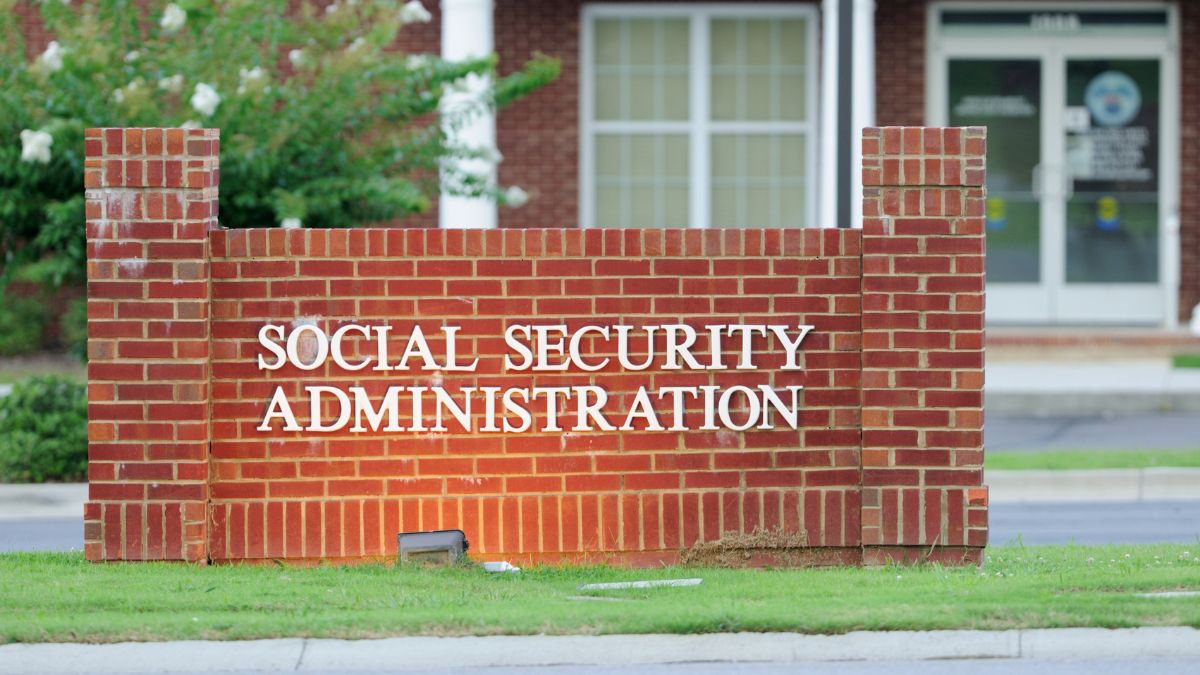
The Social Security Administration has quietly introduced a rule change that could put thousands of additional dollars into the hands of many retired divorcees and widows.
This update primarily affects widows and divorced spouses whose partners were employed in the public sector and did not consistently contribute to Social Security through payroll taxes.
Such situations often created gaps in benefit calculations, especially when one spouse spent their career in public service while the other contributed to Social Security.
Previously, the SSA reduced benefits for individuals whose spouse received a public-sector pension.
In some cases, these reductions significantly lowered—or even eliminated—spousal or survivor benefits.
With the new rule now in effect, those reductions have been removed.
While not every eligible widow or divorced individual will experience an increase—due to differences in work history and pension arrangements—many are expected to benefit.
Here’s a closer look at why payments are rising and what steps eligible individuals should take.
Why are Social Security payments increasing for divorced spouses and widows?
Social Security payments are increasing for certain divorced spouses and widows because the previous reductions tied to public pensions no longer apply, according to the SSA.
These individuals may receive higher payments in two forms: increased monthly benefits or one-time lump-sum payouts.
In both cases, the adjustments reflect amounts that were previously reduced under the old rules.
The SSA notes that increases can vary widely, ranging from modest amounts to over $1,000 per month in some cases.
What should divorced spouses and widows do if they qualify for increased payments?
Some eligible individuals have already seen their updated payments and do not need to take further action.
However, other cases may still be under review, which could delay the release of additional funds.
Anyone who believes they may qualify should reach out to their local Social Security office to verify whether their benefits have been adjusted and ensure they are receiving the correct amount.