
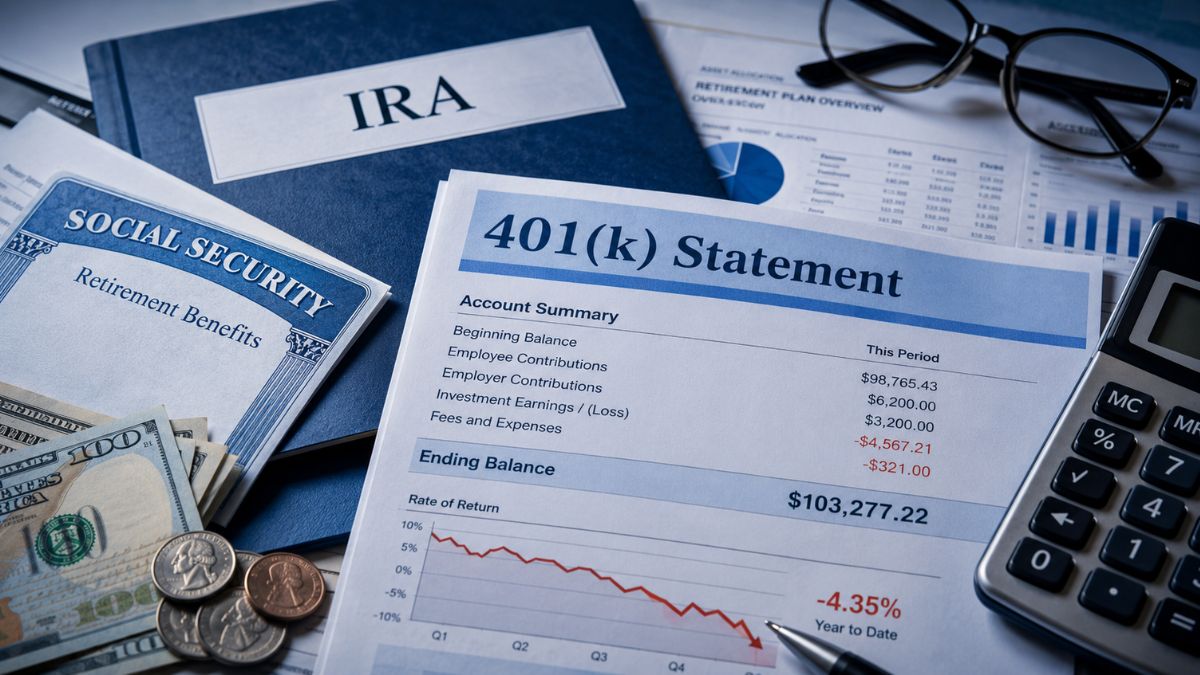
Millions of Americans preparing for retirement face one major question: how can they make their money last after they stop working? For many workers, retirement income depends on a mix of Social Security, 401(k) savings, IRAs, part-time work, and personal investments.
Fidelity Investments is now reminding Americans that one decision can have a long-term impact on retirement income: when to claim Social Security.
Taking benefits early may provide quick cash, but it can also permanently reduce monthly payments for life.
Fidelity Warns About Claiming Social Security Too Early
Social Security is one of the most important income sources for retirees because it provides monthly payments that continue for life. It also includes inflation protection through cost-of-living adjustments.
However, Fidelity warns that claiming benefits too early can reduce the amount retirees receive each month. Americans can start collecting Social Security at age 62, but doing so before full retirement age usually means accepting smaller checks.
Full retirement age is generally between 66 and 67, depending on the year a person was born. According to Fidelity, someone who claims Social Security at 62 instead of waiting until full retirement age could see monthly benefits reduced by up to 30%.
That reduction is permanent, meaning retirees may receive less income every month for the rest of their lives.
Why Delaying Social Security Can Increase Benefits
Fidelity explains that waiting to claim Social Security can lead to higher monthly payments. For every year a person delays benefits after reaching full retirement age, their monthly benefit can increase by about 8%.
This increase continues until age 70. That means someone who waits until 70 may receive significantly higher monthly payments than someone who claims at 62 or even at full retirement age.
For retirees who expect to live longer and have other income sources available, delaying Social Security may be a powerful strategy. Larger monthly checks can help protect against inflation, rising medical costs, and the risk of outliving savings.
Delaying Benefits Is Not Right for Everyone
Fidelity also notes that waiting until age 70 is not always the best choice. Some retirees need Social Security immediately to pay for housing, food, health care, or other basic expenses.
Health is another important factor. If someone has serious medical issues or a shorter life expectancy, claiming earlier may make more sense.
The best decision depends on a person’s savings, health, family history, retirement goals, investment strategy, and monthly expenses.
Working While Collecting Social Security
Some Americans continue working while collecting Social Security. This can help increase total retirement income, but there are important rules to understand.
If a person is below full retirement age for the entire year, Social Security may reduce benefits if earnings are above the annual limit. In 2026, that limit is $24,480. The SSA deducts $1 from benefits for every $2 earned above that amount.
In the year someone reaches full retirement age, a higher earnings limit applies. For 2026, that limit is $65,160. The SSA deducts $1 for every $3 earned above the limit until the month full retirement age is reached.
How 401(k)s and IRAs Fit Into Retirement Planning
Continuing to work can also allow Americans to keep contributing to retirement accounts, including 401(k)s, traditional IRAs, and Roth IRAs, if they meet eligibility rules.
This can be helpful for people who feel behind on savings. Extra contributions, employer matches, and tax-deferred growth can strengthen retirement security.
Required minimum distributions, known as RMDs, are another important rule. Generally, retirees must begin taking RMDs from traditional IRAs at age 73.
However, workers may be able to delay RMDs from a current employer’s 401(k) plan while they are still employed.
Fidelity’s warning is clear: retirement planning is not only about saving money, but also about timing important decisions. Claiming Social Security early can reduce lifetime income, while delaying benefits may increase monthly payments.
Still, there is no single perfect strategy for everyone. Americans should consider their health, savings, work plans, expenses, and long-term goals before deciding when to claim Social Security or withdraw from retirement accounts.
For many retirees, the strongest approach may combine careful Social Security timing, continued savings, smart 401(k) and IRA planning, and a realistic view of how long retirement income may need to last.